Diamond Setting Guide for Pieces Meant to Last
A diamond is only one part of the story. The setting determines how it catches the morning light, how it rests against the hand, and how confidently it moves through ordinary, beautiful life. This diamond setting guide is for choosing the small architecture around a stone with as much care as the stone itself - because a setting is where craftsmanship becomes personal.
For a ring worn from school drop-off to candlelit dinners, a necklace layered over sun-warmed skin, or an heirloom remade for its next chapter, the right setting should feel considered rather than precious in the fragile sense. It should honor the diamond while belonging naturally to the person wearing it.
What a Diamond Setting Really Does
A setting secures a diamond, of course, but its role is far more expressive. The height, amount of metal, angle of the stone, and openness around it all influence sparkle, silhouette, comfort, and durability. Two diamonds of equal size can appear entirely different once set.
An open setting allows more light to enter the stone and can create a brighter, airier impression. A setting with more metal offers a polished frame, visual weight, and often greater everyday protection. Neither is inherently better. The choice rests on the diamond’s shape, the piece’s purpose, and the life it will live.
There is also the matter of proportion. A delicate solitaire can feel quietly intimate, while a diamond surrounded by smaller stones brings a little more ceremony. The most lasting designs are rarely chosen by trend alone. They are chosen because the wearer recognizes herself in them.
The Classic Diamond Settings
Prong settings: light, open, and timeless
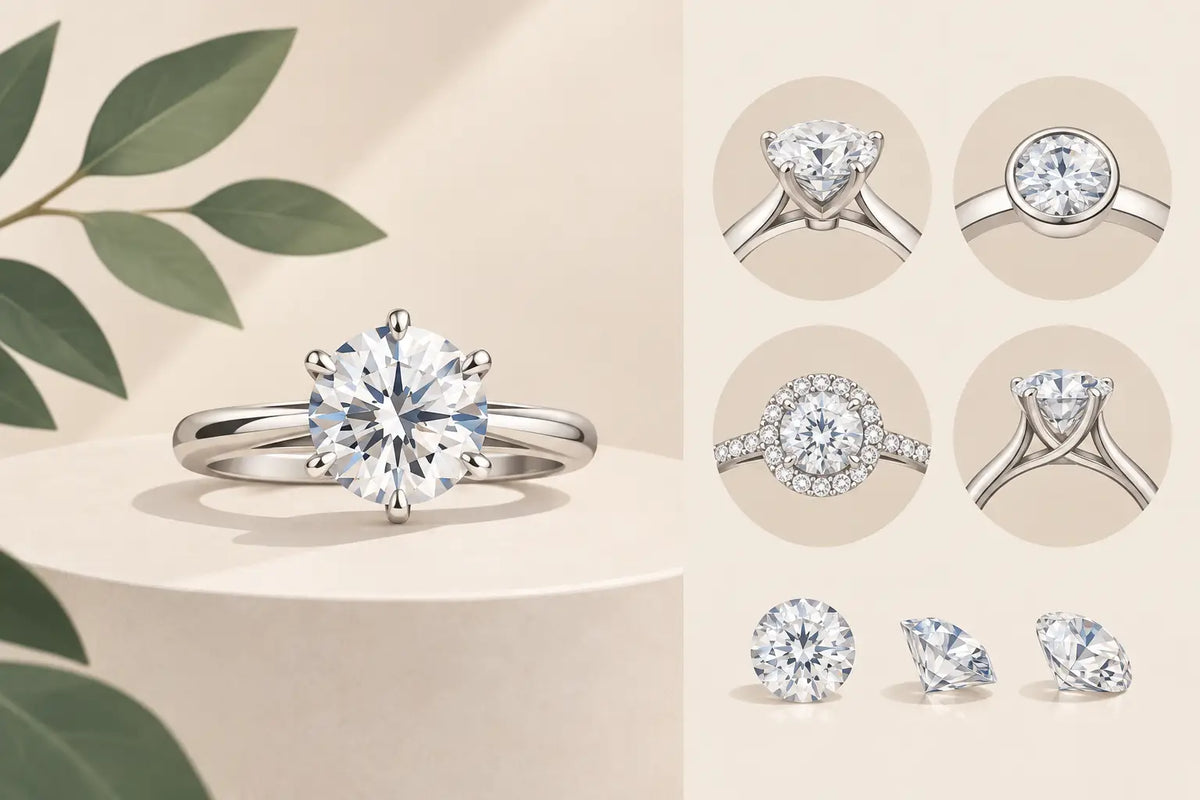
Prongs are the fine metal claws that hold a diamond in place. Usually four or six are used, though some designs employ more. Because prongs leave much of the stone visible, they invite light in from the sides and let the diamond take center stage.
Four prongs can make a round diamond feel especially open and can emphasize the crisp geometry of fancy shapes such as oval, emerald, and radiant cuts. Six prongs create a more traditional outline and add an extra measure of security, particularly for a stone worn daily. With a round diamond, they can lend the silhouette a softly floral feeling.
The trade-off is maintenance. Prongs are slender by design and should be checked periodically, especially if you lead an active life or frequently wear your ring beside other pieces. A snag on a sweater or an unexpected knock is not necessarily cause for alarm, but it is a reason to have the setting examined. Well-made prongs are graceful, not flimsy, yet they benefit from attention over time.
Bezel settings: a quiet frame of gold
A bezel setting encircles a diamond with a rim of precious metal. In a full bezel, the rim runs all the way around the stone. A partial bezel leaves selected areas open, creating a lighter, more contemporary line.
For those drawn to understated luxury, a bezel offers a lovely balance of softness and substance. It can make a diamond feel like a treasured object found at the bottom of a jewelry box, smooth from years of being held. It is also among the most protective settings, making it a thoughtful choice for a ring that rarely comes off or for shapes with vulnerable points, such as pear, marquise, and emerald-cut diamonds.
Because the metal frames the stone, a bezel may conceal a small amount of its side profile and can create a subtly smaller visual impression than a very open prong setting. Yet that frame is often precisely the appeal. In yellow gold, it adds warmth around a white diamond; in platinum, it creates a cool, almost liquid edge.
Pavé settings: shimmer in the details
Pavé refers to a surface set closely with tiny diamonds, held by small beads or prongs of metal. The effect is a continuous field of light, like sunlight trembling on the water. It is often used along a ring band, around a center stone, or as a delicate accent on earrings and pendants.
A pavé band can lend a center diamond a larger, more luminous presence without changing the design’s essential restraint. It brings romance and movement to a piece that might otherwise feel spare. The finest pavé work remains refined at close range, with stones placed evenly and metal details kept beautifully precise.
It does require care. Tiny diamonds are secure when the work is well executed, but pavé is not immune to hard impacts, repeated abrasion, or the pressure of resizing. If you prefer jewelry that can accompany gardening, travel, workouts, and hands-on work without much thought, a plain gold shank or a more protected style may suit you better. Pavé is a pleasure, but it asks for a gentler rhythm.
Channel and bar settings: clean lines, enduring sparkle
In a channel setting, diamonds sit between two walls of metal, creating a smooth, uninterrupted row. In a bar setting, slim vertical bars separate each stone. Both styles feel tailored and architectural, especially in wedding bands and anniversary rings.
These settings protect the edges of the diamonds while creating an even, polished surface that wears comfortably beside other rings. They are especially lovely for those who prefer geometry to ornament, or who want brilliance with a more composed profile. Channel-set diamonds can be more difficult to alter or repair than a simple prong-set band, so choosing the right size and a trusted craftsperson matters from the beginning.
Halo settings: a circle of celebration
A halo surrounds a center diamond with smaller diamonds, adding radiance and an almost celestial outline. It can make a center stone appear larger, but its true beauty lies in dimension: the contrast between a singular focal point and a constellation of light around it.
Halos range from crisp and contemporary to soft and antique-inspired. A fine, close-set halo can feel subtle from a distance, while a larger or double halo becomes more expressive. Consider the profile as carefully as the face-up view. A high halo can catch light beautifully, though a lower setting may be more practical for daily wear.
Choosing a Setting for Your Diamond Shape
The shape of a diamond often suggests the setting it needs. Round diamonds are remarkably versatile and shine in nearly every setting, from six-prong solitaires to bezels and halos. Ovals, marquise, pears, and heart shapes have pointed ends that deserve protection, often through a prong placed at the tip or a bezel-like frame.
Emerald and Asscher cuts are less about glittering sparkle and more about lucid, mirrored flashes of light. Their clean planes pair beautifully with simple prongs, a tailored bezel, or tapered side stones that echo their geometry. Cushion cuts can lean romantic in a halo or quietly modern in a substantial gold bezel.
Do not overlook the diamond’s depth and color, either. A deeper stone may sit higher in a ring, affecting how it wears. Warmer diamonds often look especially luminous in yellow gold, while platinum and white gold can emphasize a bright, icy appearance. These are not rules so much as invitations to notice what feels harmonious.
A Diamond Setting Guide for Everyday Wear
A setting should suit your real life, not an imagined one. Someone who works with her hands, travels often, or prefers to leave her rings on may appreciate a low-profile bezel, flush setting, or sturdy six-prong design. Someone who sees jewelry as a ritual - selected each morning, removed before sleep, and cared for with intention - may be perfectly at home in a finer pavé or elevated halo.
Ask how the piece will layer. A high-set engagement ring may need a curved or contoured band to sit closely beside it. A wide diamond band can be spectacular on its own but may feel crowded with additional rings. Earrings and pendants offer greater freedom, since they are less exposed to daily impact, but clasps, posts, and delicate chains still deserve the same standard of workmanship as the diamonds themselves.
At Fourteen August, the most meaningful pieces begin with this kind of consideration: how a jewel will be worn, remembered, and eventually passed from one hand to another. A setting is not merely a technical decision. It is part of the memory the piece will hold.
Care That Preserves the Glow
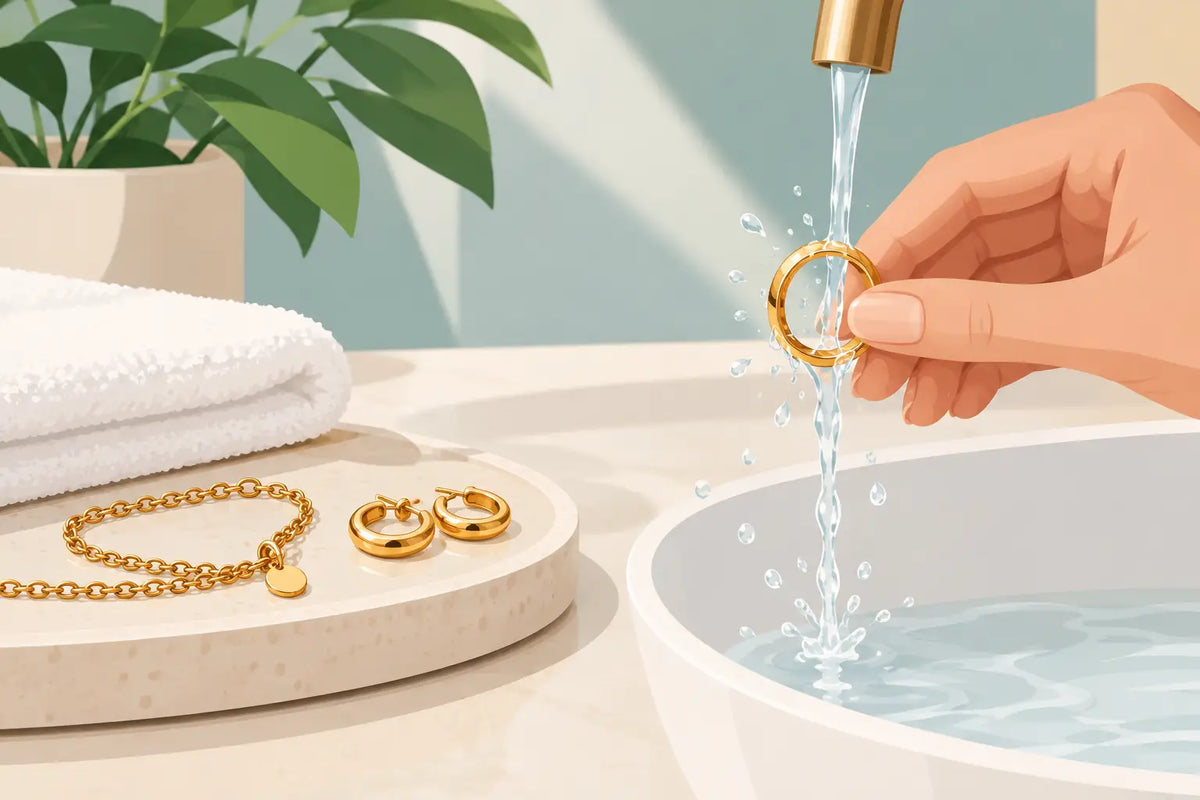
Even a strong setting benefits from a few rituals. Remove diamond jewelry for swimming, heavy lifting, and vigorous exercise. Lotions, sunscreen, and soap can soften a diamond’s brightness over time, so gentle cleaning with warm water, mild soap, and a soft brush helps restore its familiar fire.
Have prongs and small accent stones checked by a jeweler once or twice a year, especially if you notice a snag, a rattle, or a stone that seems to sit differently. Avoid storing pieces loose together, where diamonds can scratch gold and one another. A separate soft pouch or lined compartment keeps every surface as considered as the day it was made.
The right setting does more than secure a diamond. It gives a stone its posture, its protection, and its particular way of meeting the light. Choose the one that feels at home in your hands now, with enough beauty and strength to gather the years still ahead.