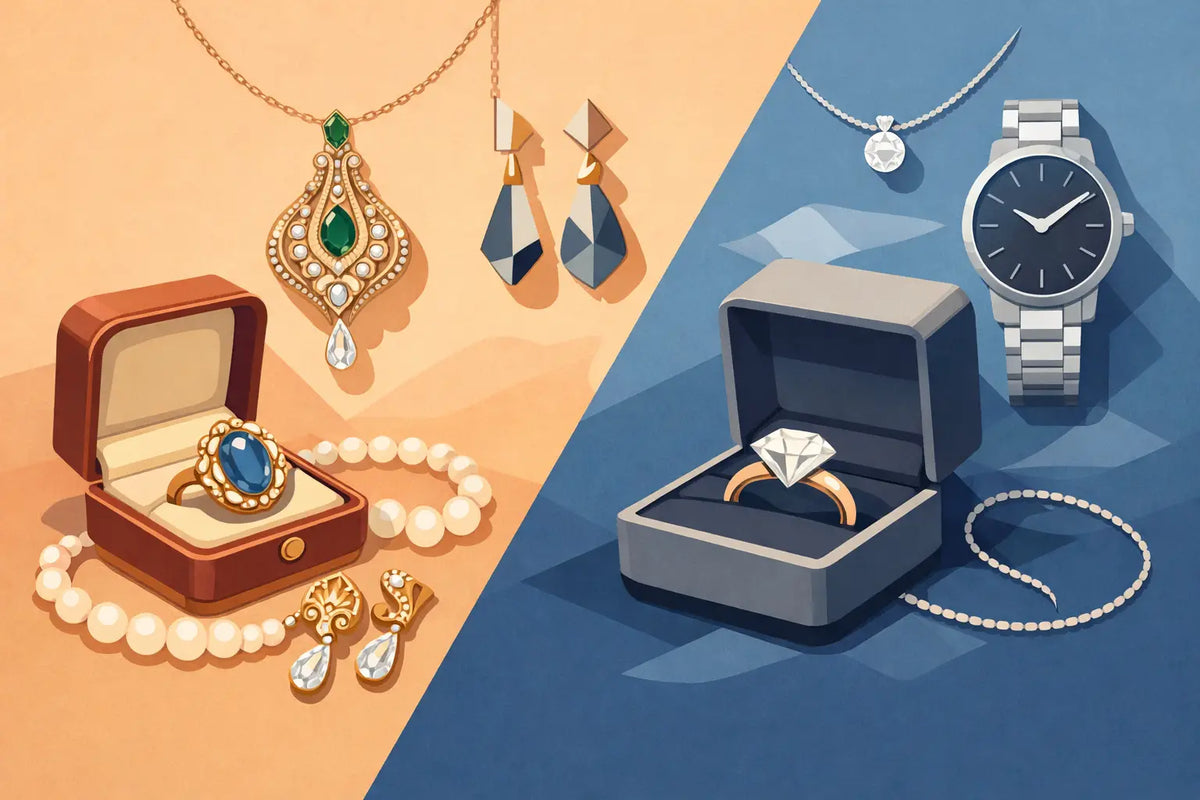
Gold Versus Platinum: Which Metal Tells Your Story?
A ring catches the late-afternoon light differently depending on what it is made of. Gold lends a warm, familiar glow, like sunlight resting on the skin. Platinum has a quieter presence: cool, luminous, and softly white against a diamond. In the question of gold versus platinum, there is no single correct choice. There is only the metal that best suits the life, memory, and hand it will belong to.
For a piece chosen to mark an engagement, a new chapter, an anniversary, or simply a moment of becoming more yourself, the distinction is worth lingering over. These precious metals carry different colors, weights, rituals of care, and ways of aging. Their differences are practical, but they are also deeply personal.
Gold Versus Platinum: Begin With the Feeling
Gold has been worn and treasured for centuries because it feels inherently intimate. Its warmth flatters a wide range of skin tones, and its color can make even a clean, minimal silhouette feel romantic. Yellow gold is reminiscent of candlelight, old photographs, and jewelry passed from one hand to another. It has a richness that feels immediately alive.
Platinum is naturally white, with a soft gray-white cast that gives diamonds and white gemstones a crisp, uninterrupted setting. It feels restrained rather than flashy, substantial rather than ornate. For someone drawn to tailored white shirts, salt air, silver light on the water, and a palette of ivory and stone, platinum can feel perfectly at home.
Then there is white gold, which offers a brighter white appearance at a different price point. It is usually plated with rhodium to achieve its fresh, reflective finish. Its look can be close to platinum at first glance, but its composition and long-term care are different. White gold may need periodic replating as the warm undertone of the gold beneath begins to show.
The choice often begins with what you reach for without thinking. Look at the jewelry you wear every day, the hardware on your favorite watch, the photographs and fabrics that make a room feel like yours. A metal should not only complement a gemstone. It should feel like part of your own visual language.
Color Is Only the First Difference
Gold is available in several colors because pure gold is alloyed with other metals for strength and tone. Yellow gold is mixed with metals such as silver and copper while preserving its signature warmth. Rose gold contains more copper, creating its blush-pink color. White gold is blended with white metals, then often finished with rhodium plating.
Karat tells you how much pure gold is present. Twenty-four karat gold is pure, but too soft for most frequently worn fine jewelry. Eighteen karat gold contains 75 percent pure gold and is beloved for its saturated color and luxurious feel. Fourteen karat gold contains 58.3 percent pure gold, making it a durable choice for jewelry intended to accompany everyday life.
Platinum is typically used in very high-purity alloys for fine jewelry, often around 90 to 95 percent platinum. Its naturally white color is not a surface treatment, so it will not fade to yellow beneath a plated finish. That makes it especially appealing for settings designed around colorless diamonds, where the metal’s neutrality allows the stone to hold the eye.
Neither metal is inherently more beautiful. A yellow gold setting can make a diamond feel warmer and more antique in spirit. Platinum can make the same diamond appear cooler and more defined. With colored gems, the decision becomes even more expressive. A deep green emerald may feel especially regal in yellow gold, while a pale blue sapphire can look almost weightless in platinum.
Wear, Patina, and the Life a Piece Will Lead
Fine jewelry is meant to be lived in, though different pieces ask for different kinds of care. Platinum is denser than gold, which gives it a noticeable and satisfying weight. It is also exceptionally durable. When platinum is scratched, the metal tends to move rather than wear away, developing a soft patina over time. Many people love this lived-in finish. It gives a ring the gentle character of something truly worn and cherished.
Gold is durable as well, especially in 14k and 18k alloys, but it behaves differently. With repeated wear, small amounts of metal can gradually be lost through polishing and abrasion. This does not make gold delicate or unsuitable for daily use. It simply means that fine details, very thin bands, and high-prong settings should be thoughtfully designed and periodically checked.
For an engagement ring or a ring worn through travel, gardening, work, and long summer weekends, platinum’s density can be reassuring, particularly around delicate pavé or prong-set stones. Yet gold remains a wonderful daily-wear metal when the design has appropriate substance. A well-made gold ring can become a lifelong companion, gathering small marks that belong only to its wearer.
It also helps to remember that no precious metal is invincible. Remove rings for heavy lifting, swimming, gardening, and any task involving chemicals. Have prongs and settings inspected regularly, especially if a piece holds a stone you would never want to replace. Care is not caution for its own sake. It is a way of protecting what carries meaning.
The Question of Sensitivity
Platinum is generally hypoallergenic, making it a thoughtful choice for those with sensitive skin. Gold itself is also hypoallergenic, but gold alloys can contain metals that cause a reaction for some wearers, most commonly nickel in certain white gold formulas.
If sensitivity is a concern, ask specifically about the alloy rather than relying on color alone. Yellow gold, rose gold, nickel-free white gold, and platinum can all be considered, depending on your individual needs. A piece that feels beautiful should also feel effortless against the skin.
Rarity, Price, and What You Are Really Investing In
Platinum is rarer than gold and more difficult to work with, in part because of its density and high melting point. Those qualities often make platinum jewelry more expensive than a comparable gold design, even when market prices shift. It also takes more platinum by weight to create the same ring because the metal is so dense.
Gold offers more flexibility across budgets, colors, and karat levels. Fourteen karat gold can be an especially practical choice for a piece meant to be worn constantly, while 18k gold offers a higher gold content and deeper color for those who want a more elevated, traditional feel. The best decision is not necessarily the more expensive one. It is the one that supports the proportions, gemstones, and daily use of the design you love.
It is also worth separating sentimental value from resale value. Precious metals have intrinsic worth, but an heirloom’s real significance often lives elsewhere: in the day it was given, the person who wore it first, the places it has traveled, and the future story it is still waiting to hold. Choose with your heart and lifestyle in mind, not with the expectation that any finished jewelry piece will behave like a simple commodity.
Pairing Metal With Your Personal Jewelry Wardrobe
There is no longer a rule that says gold and platinum must remain apart. A platinum engagement ring can sit beautifully beside a yellow gold wedding band. A favorite gold chain can make platinum earrings feel modern rather than mismatched. Mixing metals often creates the sense that jewelry was collected over time, not chosen all at once.
Still, consistency can be powerful when it reflects your taste. If your everyday pieces are warm gold, a yellow gold ring may feel immediately familiar. If you wear a diamond tennis bracelet in white metal and favor cool-toned accessories, platinum may create a more cohesive line. Consider the jewelry already closest to you, including pieces inherited from family. A new design can echo those old notes without copying them exactly.
For custom work, the conversation can become even more intimate. An inherited yellow gold stone setting may be reimagined in platinum for greater security, or a family diamond may find new warmth in an 18k yellow gold bezel. The original material, the history of the piece, and the wearer’s life all deserve a place in the decision.
Let the Metal Meet the Moment
The practical case for platinum is compelling when you want a naturally white, weighty, hypoallergenic metal with a softly evolving patina. The case for gold is equally lasting: warmth, versatility, a range of price points, and color that seems to hold the light from within.
Hold samples if you can. Notice which one makes you pause. Imagine it years from now, not pristine in a box, but warmed by the hand that wears it, carrying the small evidence of ordinary days and extraordinary ones. The right metal is the one that will still feel like yours after the sunlight has shifted, the season has changed, and the story has grown.