Bezel Versus Prong: Which Setting Feels Like You?
A ring catches the light as you reach for a linen sleeve, tuck a child’s hair behind her ear, or lift a glass at a long-awaited dinner. That small flash is shaped not only by the stone, but by the way it is held. When considering bezel versus prong, the choice is about more than sparkle. It is about how a piece moves through your life, what it asks of your hands, and the feeling you want it to carry for years to come.
A setting is the architecture around a gemstone. It protects the stone, frames its personality, and gives a ring its distinct silhouette. Prongs create lightness and lift. Bezels offer an elegant line of gold around the stone. Both can become beautiful future heirlooms. The right one is the setting that feels most natural on your hand and most true to the story you are marking.
Bezel Versus Prong: The Essential Difference
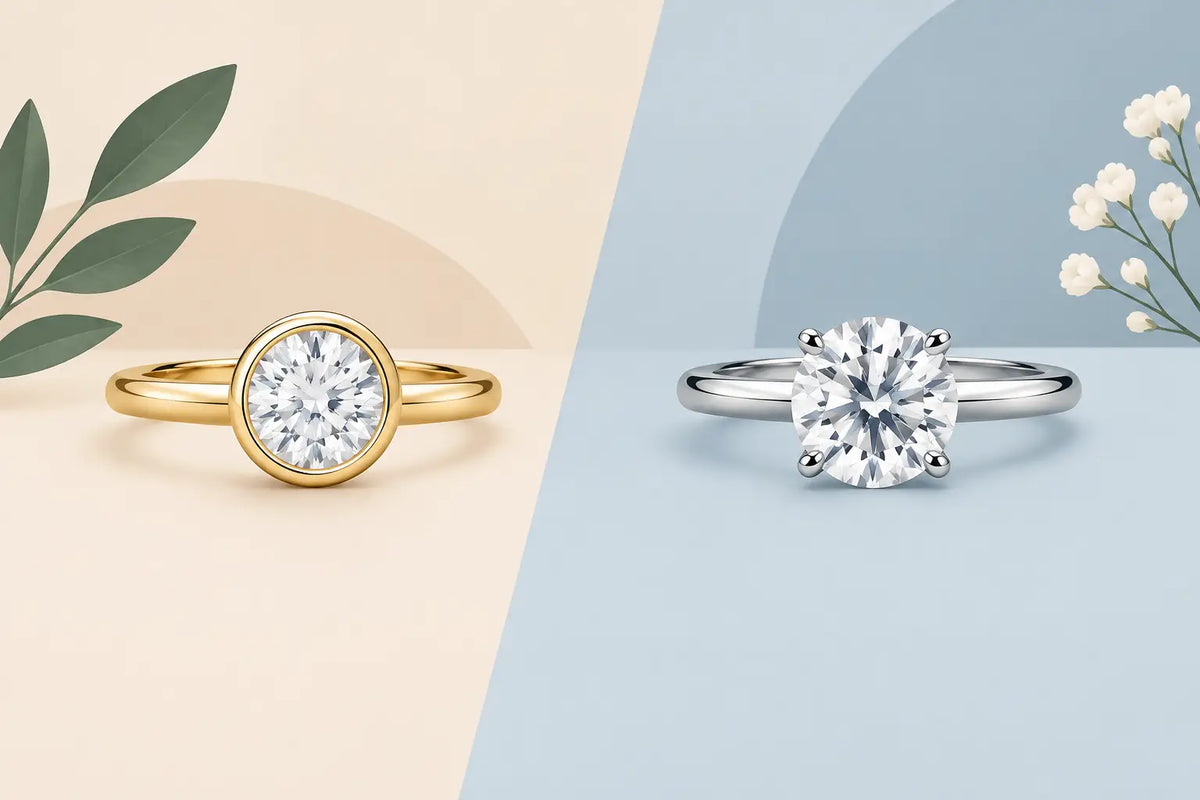
A prong setting holds a gemstone in place with small metal claws, usually four or six. Because more of the stone remains visible from the top and sides, prongs create an open, airy look. They are a classic choice for solitaires and stones chosen for their brilliance, allowing light to enter from many angles.
A bezel setting surrounds the edge of a gemstone with a narrow rim of precious metal. In a full bezel, the metal traces the stone’s entire perimeter. A partial bezel leaves thoughtful openings, offering some of the same clean security with a little more light and visual air. The effect is sculptural and quietly modern, even when the design is inspired by antique jewelry.
Neither setting is inherently better. They simply speak differently. A prong lets a diamond feel suspended, almost weightless. A bezel makes the stone feel gathered and held, like a memory kept close.
The Case for Prongs: Light, Height, and Classic Romance
For many people, a prong setting is the image that comes to mind when they picture an engagement ring. There is a reason it endures. By revealing more of a stone, prongs can emphasize its size, shape, and natural fire. A well-proportioned prong setting allows a diamond to take center stage without a heavy border of metal.
Prongs are particularly lovely for round, oval, pear, marquise, and emerald-cut stones, though almost any shape can be set this way. Four prongs tend to feel clean and minimal, while six offer a more traditional, flower-like outline and additional points of support. The design can be delicate or substantial, depending on the scale of the stone and the life the ring will lead.
There is also an undeniable romance to prongs. They recall vintage jewel boxes, candlelit celebrations, and the familiar beauty of a diamond lifted toward the light. For someone who wants her stone to feel prominent, bright, and unmistakably classic, a prong setting can be the perfect expression.
The trade-off is exposure. Prongs can catch on knitwear, towels, or hair, especially if the ring sits high on the finger. They also need periodic inspection. Over time, metal can wear down or shift, and a jeweler may need to tighten or re-tip a prong to keep the stone secure. This is normal care for a treasured piece, not a reason to avoid the setting, but it is worth choosing with open eyes.
The Appeal of a Bezel: Protection With Presence
A bezel setting has a grounded confidence. The metal edge creates a crisp frame around the gemstone, making it feel intentional and often giving even a smaller stone a strong visual presence. In yellow gold, a bezel can bring a warmth that feels like late-afternoon sunlight on the skin. In platinum or white gold, it can appear sleek, luminous, and architectural.
Because the stone’s edge is protected by metal, bezels are often an especially practical choice for hands that are always in motion. They are less likely to snag and can be wonderfully suited to everyday wear, travel, active routines, and a more low-profile silhouette. A bezel may also offer extra peace of mind for stones with more vulnerable points, such as pears and marquises.
This security does not mean a bezel must feel heavy. A fine, polished rim can be delicate and feminine; a wider, textured bezel can feel bold and sun-worn, like a found treasure from another season. Partial bezels offer a graceful middle ground, wrapping the stone at key points while leaving its sides open to the light.
The principal consideration is that a full bezel covers more of the stone. Depending on the design and the gemstone, it may show slightly less side light than a prong setting. For some, that is a compromise. For others, it is the very appeal: the stone feels intimate, protected, and beautifully contained.
How Stone Shape Changes the Decision
The setting and the stone should be considered together. A round diamond can feel timeless in either a bezel or prongs. In prongs, it is all brightness and lift. In a bezel, it becomes graphic and almost celestial, especially with a slim band.
Oval stones often appear elongated and luminous in prongs, while a bezel can underline their graceful contour. Emerald cuts, with their quiet hall-of-mirrors flashes, look particularly striking in a bezel that echoes their clean geometry. A prong setting can make the same cut feel lighter and more traditionally bridal.
For pear, marquise, and heart-shaped stones, protection at the pointed end matters. V-shaped prongs can shield those points, while a bezel or partial bezel can offer a more enveloping layer of security. If you love an unusual cut but use your hands constantly, this detail deserves real weight in your decision.
Color also matters. A bezel introduces more metal near the stone, which can make the warmth of yellow gold part of the composition. That interplay can be beautiful with diamonds, sapphires, emeralds, and sentimental stones passed through a family. Prongs keep the visual focus more squarely on the gem itself.
Choose for the Life You Actually Live
The most beautiful ring is one you will reach for without hesitation. Consider how it will feel during ordinary moments, not only under the flattering light of a jewelry appointment. If you work with your hands, exercise often, care for children, wear fine knits, or prefer jewelry that does not announce itself at every turn, a bezel or lower-profile setting may bring ease.
If you are drawn to a ring that feels airy, luminous, and ceremonially romantic, prongs may be worth the occasional snag and the commitment to professional checks. A lower-set prong design can reduce some of those concerns while preserving the open look you love.
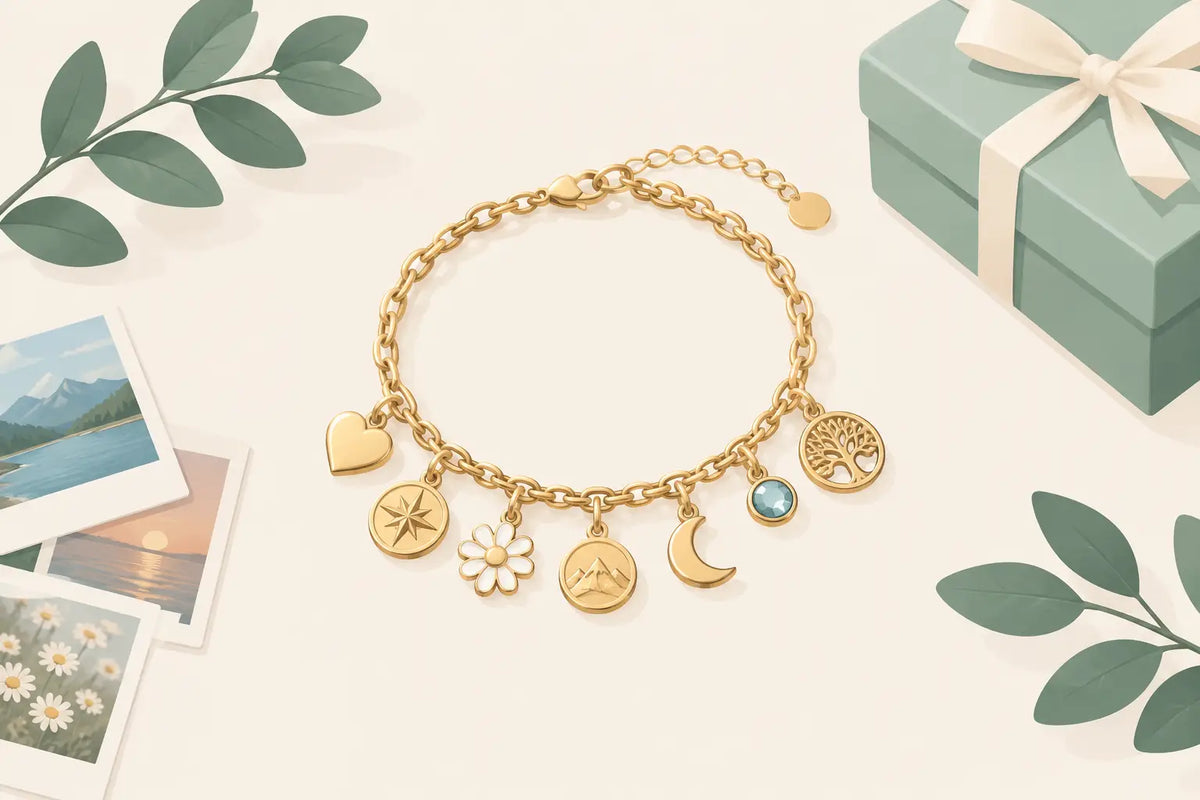
It can also help to think about the jewelry already in your collection. Do you gravitate toward smooth gold surfaces, sculptural charms, and pieces with a quietly personal quality? A bezel may feel immediately at home. Do you love the flicker of a stone, delicate detailing, and the sense of a diamond floating above the hand? Prongs may be the more natural choice.
Care That Preserves the Story
Whatever setting you choose, a fine ring benefits from a little attention. Remove it for heavy lifting, gardening, and activities involving harsh chemicals. Clean it gently with warm water, mild soap, and a soft brush, taking care around the setting. A professional jeweler can inspect prongs, check stone security, and refresh a piece as it becomes part of your everyday life.
Bezels need care, too. Their smooth profile can collect lotion or soap near the edge of the stone, and a close-fitting setting should still be inspected periodically. A well-made setting is designed for longevity, but heirlooms remain beautiful because they are worn with affection and cared for with intention.
The choice between bezel and prong is ultimately a choice of character. One lets the stone breathe in the light; the other gives it a golden outline, a sense of shelter, a frame for the years ahead. Let your hand, your habits, and the memory you want to hold guide you toward the setting that will feel like it has always belonged to you.