Solid Gold Bracelets Review: Are They Worth It?
A bracelet is one of the few pieces of fine jewelry you truly live in. It catches the morning light while you pour coffee, rests against a linen cuff at lunch, and gathers a little more meaning every time it accompanies you somewhere worth remembering. This solid gold bracelets review considers what makes one worth choosing - not simply for the first impression, but for years of wear, celebration, and eventual passing down.
The short answer is yes: a well-made solid gold bracelet can be worth the investment. Gold has a warmth that does not rely on a passing season, and solid construction gives a piece the substance to become part of your everyday life. Yet “solid gold” is not a single standard of beauty or quality. Karat, weight, proportion, clasp construction, and the way a bracelet sits on your wrist all shape the experience.
Why Solid Gold Feels Different
Solid gold refers to jewelry made from a gold alloy throughout, rather than a thin layer of gold over a base metal. That distinction matters over time. A plated piece can be lovely for a moment, but frequent contact with skin, perfume, water, and clothing gradually wears at its surface. Solid gold carries its color all the way through. It can be polished, repaired, resized in some cases, and worn without the concern that another metal will eventually reveal itself beneath the finish.
There is also an emotional difference. A solid gold bracelet has a pleasing, quiet permanence. Its value is not only financial, though gold’s intrinsic value is part of the appeal. It is the feeling of selecting something with enough integrity to remain after the occasion has passed: a birthday gift that becomes a signature, a new-mother keepsake, a charm bracelet that collects chapters one by one.
That does not mean every solid gold bracelet needs to be heavy or formal. Fine chains, slim bangles, and delicate links can be wonderfully suited to daily wear. The aim is not excess. It is a piece with intention, made to meet your actual life.
Solid Gold Bracelets Review: What to Examine
The most useful review begins beneath the surface. A bracelet may photograph beautifully, but its lasting appeal often comes down to details you feel rather than see.
Karat is a balance, not a ranking
In the United States, 14k and 18k are the most common choices for fine gold jewelry. Pure 24k gold is radiant but soft, making it less practical for a bracelet that will meet desk edges, door handles, and daily movement.
Fourteen-karat gold contains 58.3% pure gold, blended with other metals for strength. It is an especially sensible choice for an everyday bracelet, offering durability while retaining the unmistakable glow of gold. Eighteen-karat gold contains 75% pure gold. Its color is richer and more saturated, and it carries a softer, more luxurious feel. It may show marks more readily, particularly in a slender or highly polished design.
Neither is automatically better. Choose 14k if you want a piece you can wear with little ceremony, especially if it has a fine chain or textured links. Choose 18k if the deeper color and softer glow are central to the design, and you are comfortable treating it with a touch more care. In either case, look for a clear karat stamp and an honest description of the metal.
Weight should feel considered
A solid gold bracelet need not be weighty to be authentic, but it should not feel fragile in relation to its design. Hollow gold jewelry can create a larger silhouette at a lower price, and there is nothing inherently wrong with that choice. It does, however, require greater caution. A hollow bangle can dent more easily, while hollow links may be more difficult to repair if damaged.
For a bracelet meant to become a constant companion, solid links and thoughtfully substantial wirework tend to reward the investment. Run a finger over the piece. Does it have a gentle density? Do its links lie smoothly without feeling sharp or insubstantial? Fine jewelry should feel graceful, never flimsy.
The clasp tells a story about craftsmanship
A clasp is a small mechanical detail with an outsized role. It is the point where a bracelet succeeds as an everyday object or becomes something you hesitate to wear.
On a chain bracelet, a lobster clasp should close with a confident spring and connect to a ring large enough to handle easily. On a bangle, the hinge should move cleanly and the closure should meet securely, without forcing or wobbling. For heavier link styles, a box clasp or substantial lobster clasp may be appropriate, often with an added safety feature for reassurance.
A secure clasp should not interrupt the beauty of the bracelet. The best ones disappear into the rhythm of the design, offering confidence without visual noise.
Fit Is Part of the Design
A bracelet that is too tight can feel precious in the wrong way - something to remove before your day begins. One that is too loose may turn constantly, catch on sleeves, or put unnecessary strain on a delicate clasp.
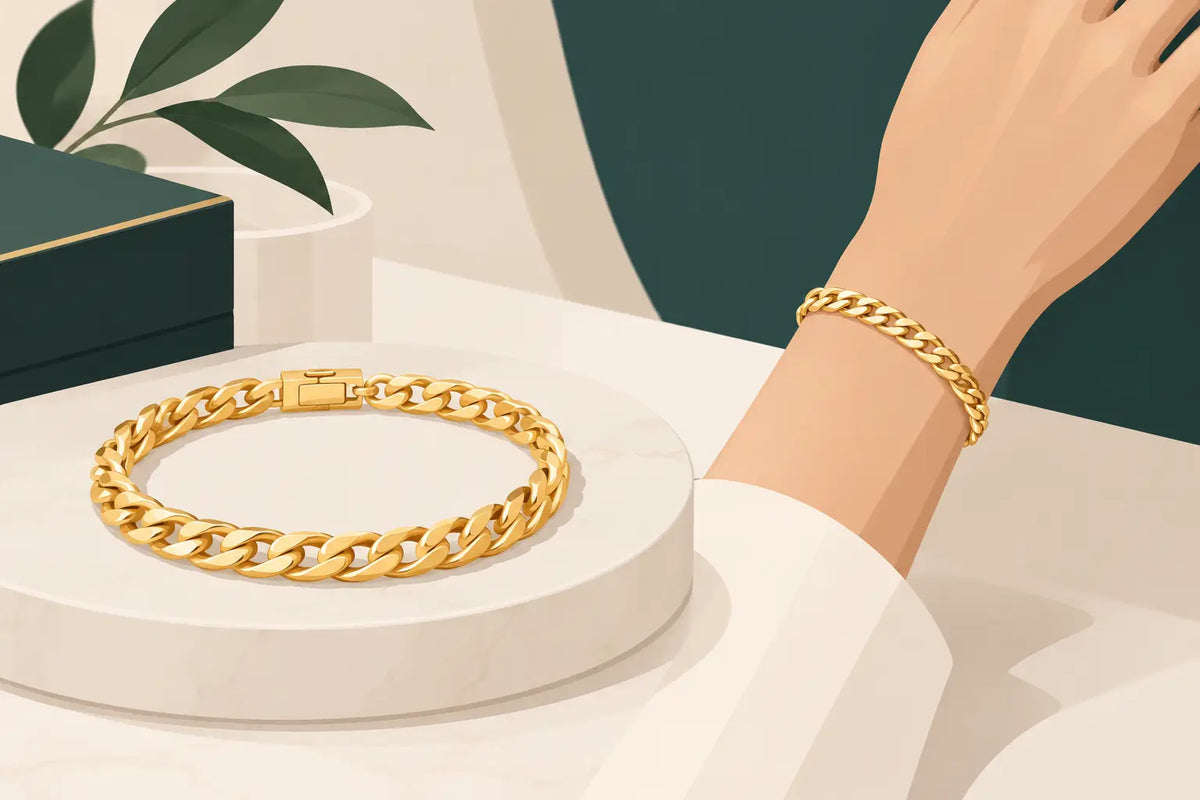
For a chain bracelet, measure your wrist at its narrowest point and add roughly a half inch for a close, elegant fit or up to an inch for more movement. The right allowance depends on the scale of the links. A slim chain can sit closer to the skin, while a substantial curb or oval link often needs more room to drape beautifully.
Bangles ask a different question. A slip-on bangle must pass comfortably over the widest part of your hand, while a hinged style can be selected more precisely for the wrist. If you intend to stack bracelets, leave room for the composition to breathe. The most compelling stacks often mix one more structured piece with one softer chain, allowing light and movement to do their work.
Which Styles Hold Up Best?
The answer depends on how you move through the day. A sleek solid gold bangle is clean, enduring, and easy to layer, though a highly polished surface will gradually develop the soft marks of wear. Many people find that patina beautiful. It is evidence of a life being lived.
A cable chain bracelet is understated and versatile, especially with a small charm or meaningful initial. It can be delicate, so assess the thickness of the chain and the connection points near the clasp. Link bracelets, from oval links to more sculptural silhouettes, make a stronger visual statement and often have the presence to stand alone.
Charm bracelets are perhaps the most personal category. They become richer over time, especially when each addition marks a place, person, or private milestone. Begin with a strong bracelet body and leave space for the story to grow. Too many heavy charms on a very fine chain can distort its shape and create stress at the clasp.
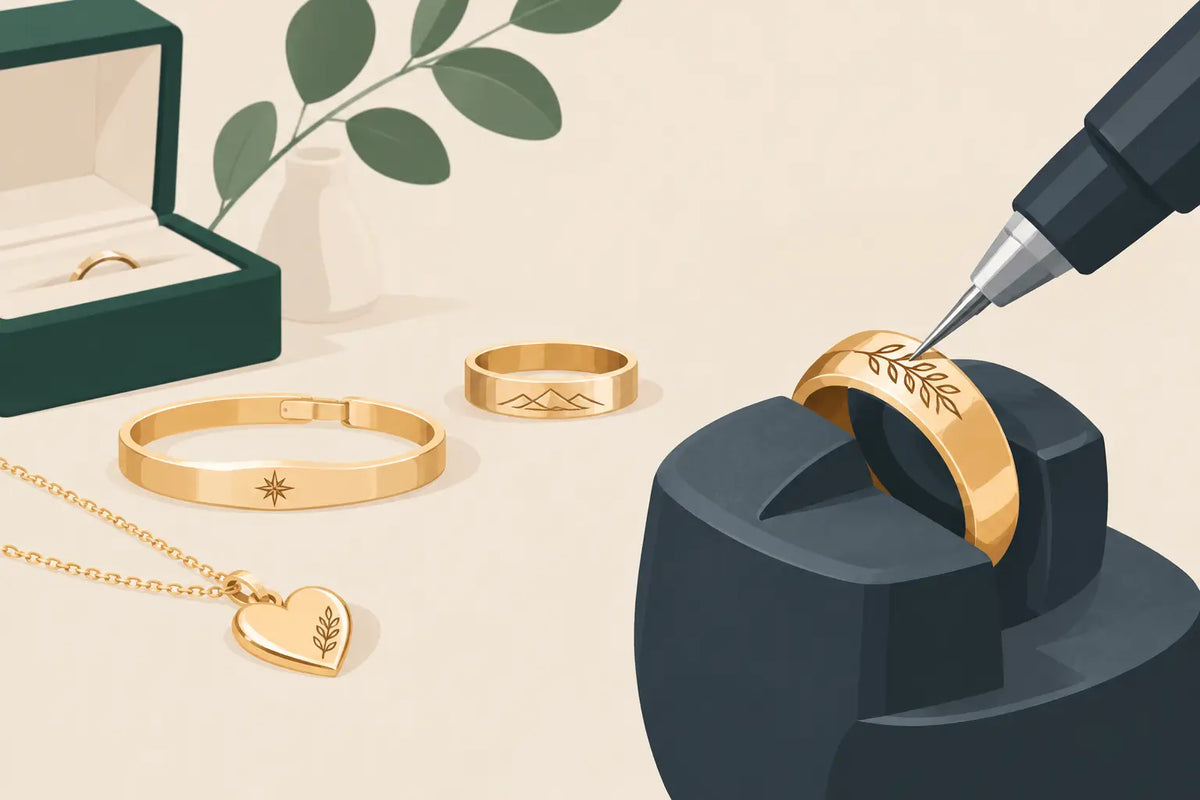
Texture also deserves consideration. High-polish gold reflects sunlight beautifully and feels classically refined. Brushed or softly hammered finishes can be more forgiving of small scratches, offering an ease that suits everyday wear. Neither finish is more luxurious. The better choice is the one that feels most like you.
The Price Question, Honestly
Solid gold costs more because gold is valuable and skilled labor is not incidental. A handcrafted bracelet involves decisions about proportion, soldering, finishing, and strength that cannot be reduced to a photograph. Price will rise with karat, gold weight, complexity, gemstones, and the level of handwork involved.
Still, expensive does not always mean right. A heavy bracelet may be excellent, but impractical if you prefer a delicate wrist stack. An elaborate design may be exquisitely made, but less likely to become part of your wardrobe than a simple piece you reach for every morning. Consider cost per wear, but also consider emotional return. The bracelet that marks a turning point in your life may earn its place differently than one bought solely to fill a gap in a jewelry box.
If you are choosing a first solid gold bracelet, a refined 14k chain, slender bangle, or small-link style often offers the greatest versatility. If you are celebrating a meaningful occasion, a custom detail, engraved element, or charm can give the piece a sense of permanence beyond its material value.
Care That Preserves the Glow
Solid gold is resilient, not invincible. Remove a bracelet before swimming in chlorinated water, using household cleaners, or doing work that may pull, compress, or scratch it. Lotions and sunscreen are best applied before putting on jewelry, particularly around detailed links and clasps.
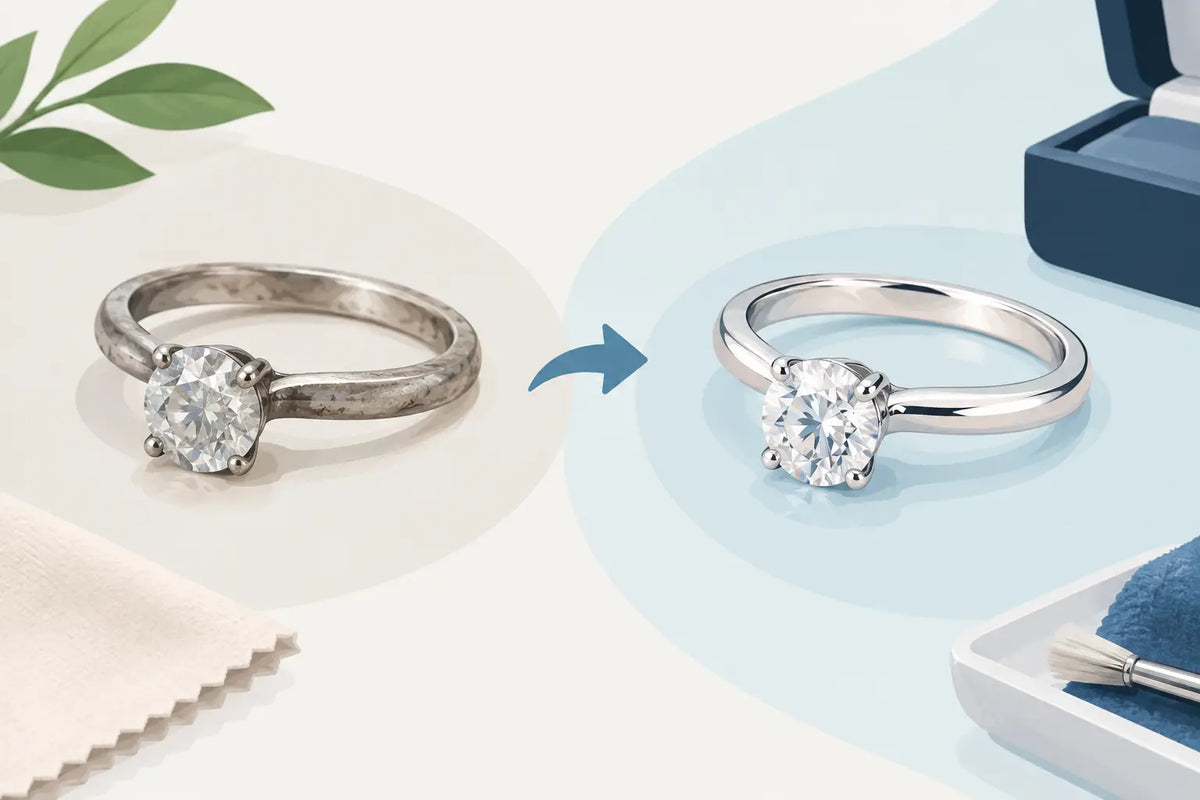
A soft cloth will restore everyday shine. For a deeper clean, warm water, mild soap, and a very soft brush are generally enough, followed by thorough drying. Store bracelets separately when possible, especially polished bangles and chain styles that may tangle. If a clasp begins to feel loose or a link catches unexpectedly, have it inspected before a small issue becomes a lost piece.
The finest bracelet is not necessarily the loudest one. It is the one that becomes familiar against your skin, holds its beauty through ordinary days, and feels more distinctly yours with every summer, every celebration, and every memory it quietly keeps.