Is Handmade Jewelry Worth It for a Lifetime?
A gold chain catches the light at the collarbone. A ring bears the faint, familiar marks of a life fully lived. A charm rests in the palm before it is fastened to a bracelet, carrying a place, a person, or a summer that deserves to stay close. Is handmade jewelry worth it when beautiful pieces are so readily available? For many women, the answer lies not only in how a piece looks on the day it arrives, but in what it is made to hold over time.
Fine jewelry is an intimate purchase. It is often chosen to mark a birthday, a new beginning, an anniversary, or a private promise to oneself. When a piece is handmade with care, its value can extend beyond its materials to include the human attention, design intention, and future meaning woven into it.
What You Are Really Paying for in Handmade Jewelry
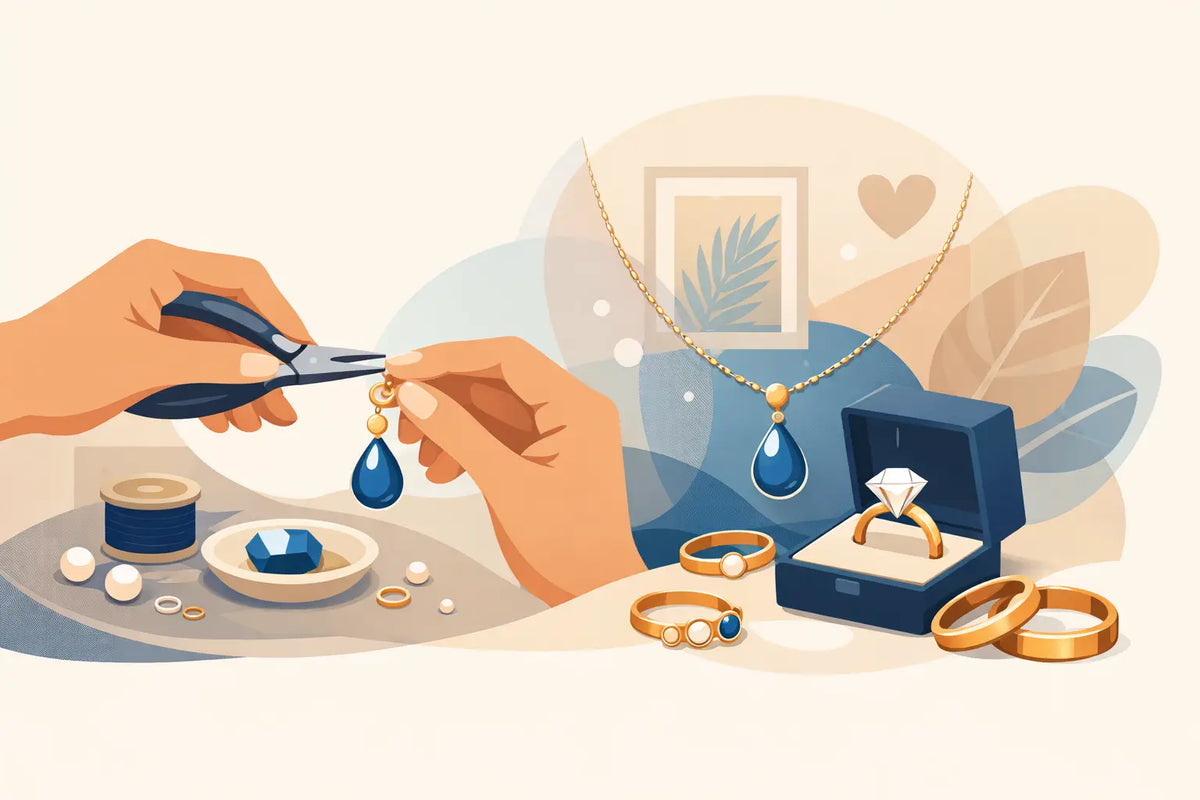
The word handmade can mean different things across the jewelry world. It does not always mean every element begins as raw metal shaped entirely by one pair of hands. In fine jewelry, it more often describes a thoughtful, hands-on process: skilled makers assembling, setting, finishing, polishing, and inspecting a piece with close attention at each stage.
That attention is felt in the details. A clasp should feel secure without interrupting the line of a necklace. A stone setting should protect the gem while allowing light to move through it. Edges should be softened where they meet the skin, and proportions considered from every angle, not only from the front-facing product image.
Machine-made jewelry can be lovely, practical, and appropriate for many occasions. It may also offer lower prices and quick access to trend-led designs. Handmade fine jewelry asks for something different: a slower relationship with the object. The cost often reflects experienced labor, considered production, small-batch quantities, quality materials, and the time required to finish a piece beautifully.
Is Handmade Jewelry Worth It for Everyday Wear?
It can be, provided the design and materials suit the life you actually lead. A jewel meant to be worn often should feel at home in your daily rituals: morning coffee, a crowded calendar, a dinner by the water, the long stretch of ordinary days between celebrations.
Durability begins with material choices. Solid gold, thoughtfully selected gemstones, secure settings, and well-made closures are not merely technical details. They influence whether a piece becomes part of your signature or spends most of its life in a box. Fine jewelry is never indestructible, and a delicate chain or high-set stone may require extra care. But a well-crafted piece is designed with longevity in mind.
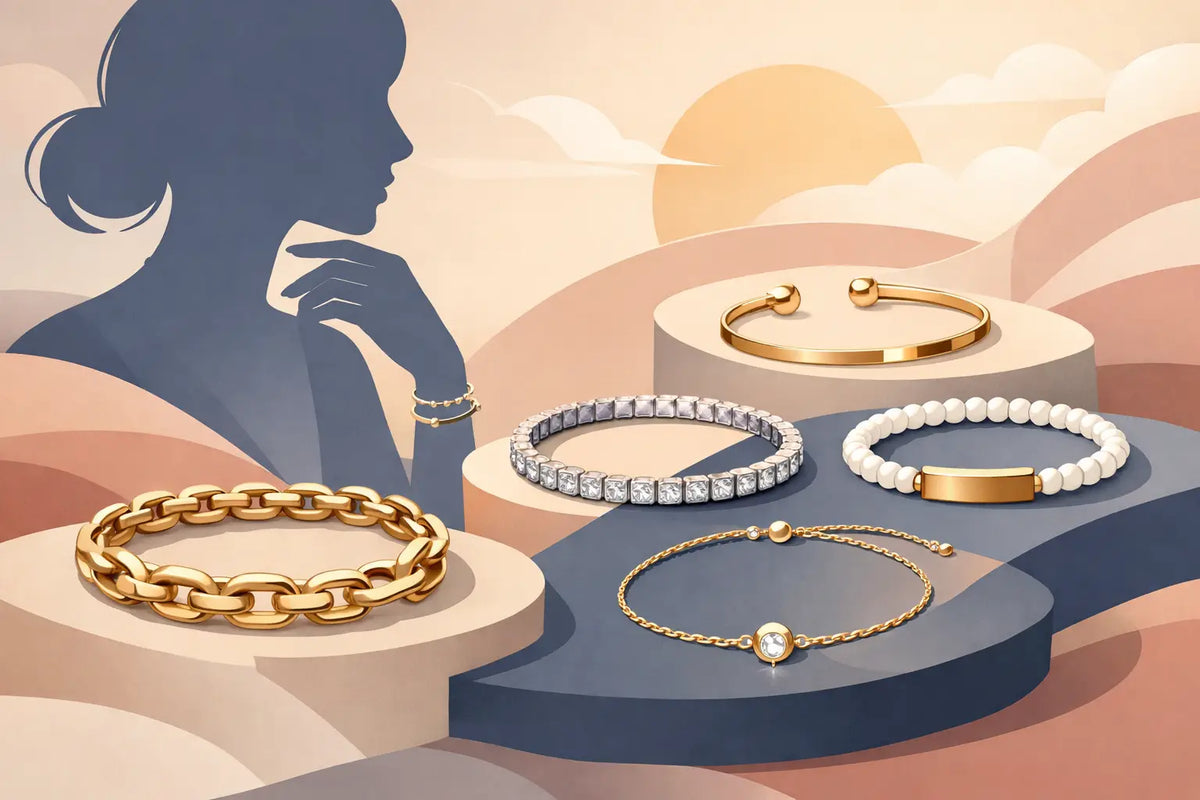
There is also a practical distinction between a piece that is precious and one that is fragile. A slender gold bracelet may ask to be removed before swimming, exercising, or gardening, yet still be made for years of regular wear. The right choice depends on your habits. If you want jewelry you can reach for without ceremony, look for clean construction, secure clasps, and silhouettes that do not compete with your day.
The best everyday pieces do not announce themselves too loudly. They become familiar in the most flattering way, like sunlight on the skin or the scent of salt in the air at the end of August. Their beauty gathers depth because you are living in them.
Craftsmanship Creates a Different Kind of Luxury
Luxury is sometimes mistaken for excess. In handmade jewelry, it is more often a matter of discernment. The curve of a hoop, the weight of a pendant, the way a charm moves against a chain - these quiet decisions are what make a piece feel resolved.
A trained jeweler sees details that are easy to overlook at first glance. They understand how a metal will wear, where tension may build, how a setting can affect both security and sparkle, and how a polished surface should meet a matte one. This knowledge is especially meaningful in designs that appear simple. A minimal gold ring has nowhere to hide an awkward proportion or careless finish.
Handmade work also allows for a degree of character. Rather than the absolute uniformity of mass production, there may be small nuances in finish and form. These are not flaws when the work is well executed. They are signs that the piece has passed through skilled hands and has its own quiet presence.
At Fourteen August, handcrafted jewelry is made in New York City with this kind of lasting intimacy in mind: pieces shaped to carry sentiment without feeling overly precious or performative. The goal is not jewelry for a single photograph. It is jewelry that becomes more personal with each season.
Meaning Is Part of the Value
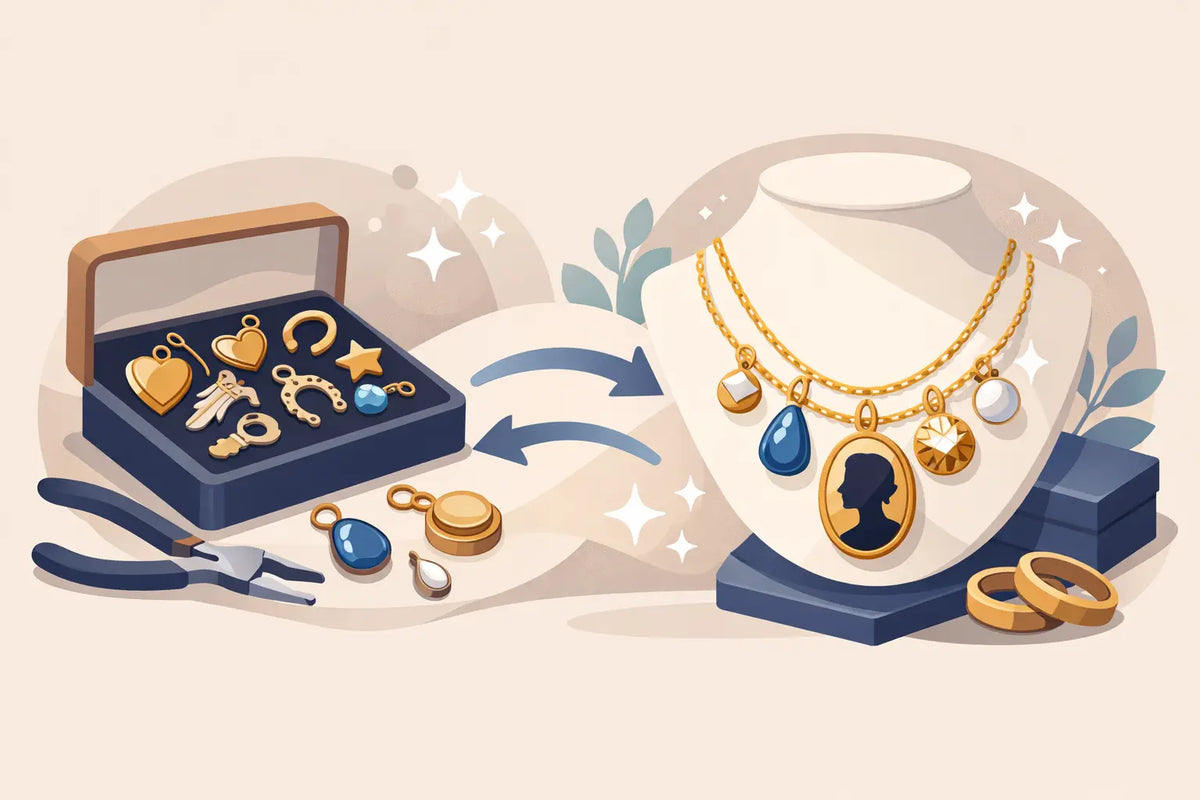
A handmade piece is often worth more to its wearer because it leaves room for a story. This is especially true of charms, signet rings, engraved pieces, and custom designs. A small initial can honor a child. A carved stone can recall a particular coastline. An heirloom diamond can be reset into a form that feels true to the woman wearing it now.
This emotional value does not mean every purchase needs a grand occasion. Choosing a piece for yourself can be reason enough. There is beauty in buying a necklace because its shape feels like you, or in adding a ring after a season of change. Jewelry can become a marker of identity, worn not to explain your life to others but to remind you of it.
The distinction matters when considering price. If a piece will be worn for one event and then forgotten, even a modest cost may feel excessive. If it becomes a constant companion for ten, twenty, or forty years, its value is measured differently. The memory attached to it becomes part of its permanence.
How to Judge Whether a Handmade Piece Is Worth the Price
A meaningful story should be accompanied by real quality. Before investing, look beyond the romance of the description and consider the substance of the piece.
Start with the metal. Ask whether it is solid gold, gold-filled, vermeil, or plated, because each will wear differently and carries a different value. Understand the gemstone details as well: whether stones are natural or lab-grown, their cut and setting style, and how much care they will need. None of these choices is inherently better in every circumstance. What matters is transparency and whether the materials match your expectations.
Then consider construction. A fine jeweler should be able to speak clearly about how a piece is made, where it is made, and how to care for it. Examine the closure, setting, chain, prongs, solder points, and finish when possible. Jewelry that feels light is not necessarily poorly made, but it should still feel intentional, balanced, and secure.
Finally, ask a more personal question: will you want to wear it after the novelty fades? Trend-driven pieces can be joyful, but they serve a different purpose than an heirloom-minded purchase. If you can imagine this design alongside the clothes you love now and the woman you are becoming, it may deserve a place in your collection.
The Case for Custom and Heirloom Redesign
Handmade jewelry becomes especially compelling when it gives an existing story another life. A grandmother's brooch may not suit your wardrobe as it is, yet its stones or gold can be transformed into a ring, pendant, or bracelet you wear every week. The original sentiment remains, but the piece is allowed to continue living.
Custom work is not always the most economical route. It requires conversation, design time, and a willingness to make decisions about scale, metal, stones, and finish. It is best for someone who values the process as much as the final reveal. But when the goal is to preserve memory in a form that feels entirely your own, there is little that compares.
A custom piece also resists the feeling of sameness. It can reflect the exact proportions you prefer, the detail only you understand, or a gemstone that has waited years for its next chapter. That is a rare kind of luxury: not simply owning something beautiful, but owning something that could only belong to you.
A Purchase That Becomes a Keepsake
Handmade jewelry is worth it when craftsmanship, material, and meaning meet in a piece you will genuinely live with. It may not be the right choice for every fleeting trend or last-minute occasion. Sometimes a simple, accessible piece is exactly what the moment calls for.
But for milestones, for daily signatures, and for objects meant to outlast a season, handmade fine jewelry offers a more lasting exchange. Choose the ring that makes you straighten your hand in the light. Choose the charm that brings someone close. Choose the piece that feels warm against your skin now, and still has a story to tell years from now.