Bespoke Jewelry Process Explained, Beautifully
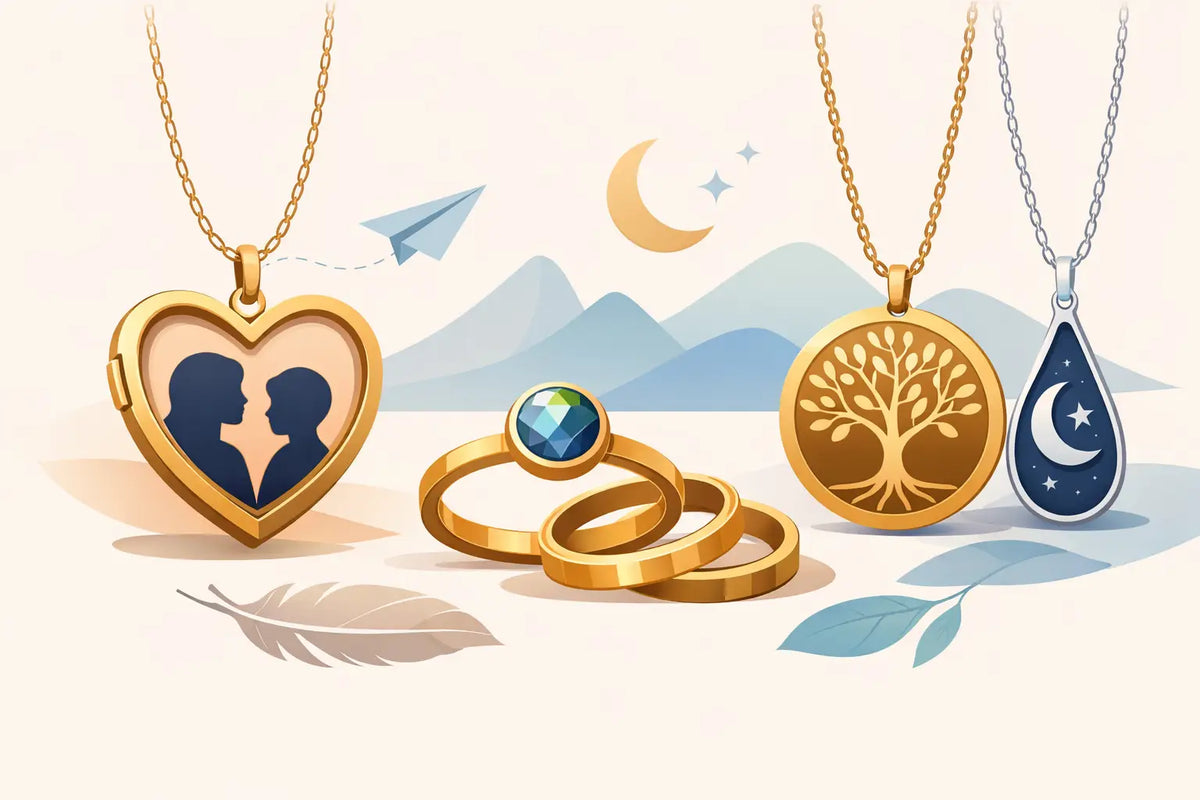
A ring tucked into a grandmother’s jewelry box. A loose diamond saved for the right occasion. The particular blue of the water where you said yes. The bespoke jewelry process explained begins here: with a feeling, a fragment of a story, or a piece that deserves to be worn again. Custom jewelry is not simply about choosing a stone and setting. It is the considered act of giving memory a form.
At its best, a bespoke piece feels as though it has always belonged to you. It catches sunlight on the skin, settles into the rhythm of your daily life, and gathers meaning with every year you wear it. That sense of ease is created through a process that is both personal and precise.
Bespoke Jewelry Process Explained: From Memory to Form
Every custom project begins with a conversation. Before sketches, metals, or measurements, there is the question of what the piece should carry. Perhaps it marks a new chapter, honors a loved one, celebrates a child, or brings an inherited jewel out of a drawer and back into the light.
This early exchange shapes the design more than many people expect. A designer may ask how you dress, which pieces you wear without thinking, whether the jewelry is meant for every day or for occasions, and how you want it to feel. Delicate and private? Sculptural and luminous? A little salt-air nostalgia, or a cleaner, more architectural line?
There is no need to arrive with a fully formed idea. A photograph, a favorite existing piece, a story, or even a few words can be enough. The goal is not to translate a passing trend into gold. It is to identify the details that will still feel true when the piece becomes part of your own history.
Defining the purpose and silhouette
Once the emotional center is clear, the design begins to take shape. This is where practical considerations enter gently: ring size, chain length, proportion, stone dimensions, and the balance between presence and wearability.
A larger setting may give a stone more drama, for example, while a lower profile can make a ring easier to wear every day. A fine chain may feel beautifully understated, but a heavier link can better support a meaningful pendant or a substantial charm. Neither answer is universally better. The right choice depends on the life the piece will lead.
For heirloom redesigns, this stage also considers what should remain visible from the original jewel. Some clients want the familiar stone to be the focus. Others wish to preserve an engraving, a small accent diamond, or simply the spirit of the original piece in a wholly new design. Respecting the past does not require reproducing it exactly.
The Design Conversation Becomes a Drawing
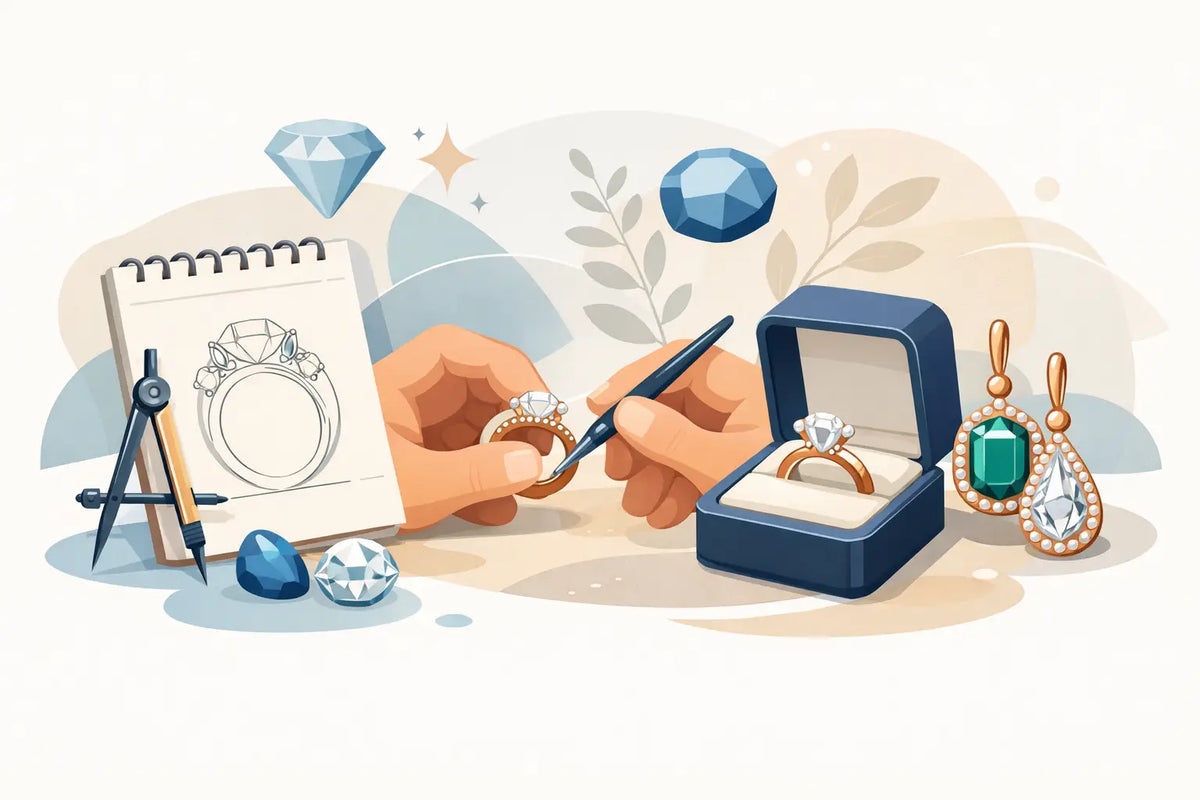
With direction established, the jeweler develops a design concept. Depending on the project, this may begin as hand sketches, detailed renderings, or a combination of both. These visuals make the intangible more tangible: the curve of a band, the scale of a charm, the way a bezel will embrace a stone, or how several elements will move together on a chain.
This is the moment to be candid. Bespoke jewelry is collaborative, and thoughtful refinement is part of its beauty. You may prefer a softer edge, a slightly longer drop, less ornament, or a more substantial silhouette. Small adjustments on paper can make a profound difference once the piece is in metal.
It is also the point at which a good designer offers perspective. Not every detail that looks striking in a rendering will wear well over time. Very delicate prongs, extremely fine openwork, or an oversized stone on a narrow band may ask more of a piece than daily life allows. A bespoke design should honor your vision while protecting its longevity.
Selecting stones and precious metals
Stone selection is often the most romantic part of the process, but it benefits from a clear eye. Diamonds, sapphires, emeralds, rubies, and less expected gems each bring their own character, color, durability, and care requirements. An antique-cut diamond can have warmth and a softer, candlelit sparkle. A vivid sapphire may call to mind deep ocean water. A pearl offers an unmistakable tenderness, though it requires gentler wear than a diamond.
When a client supplies inherited stones, they are assessed before the final design is approved. A jeweler will consider their condition, shape, measurements, and whether they can safely be reset. Older gems sometimes carry tiny abrasions or chips that are part of their history, while others may need careful attention before being placed into a new setting.
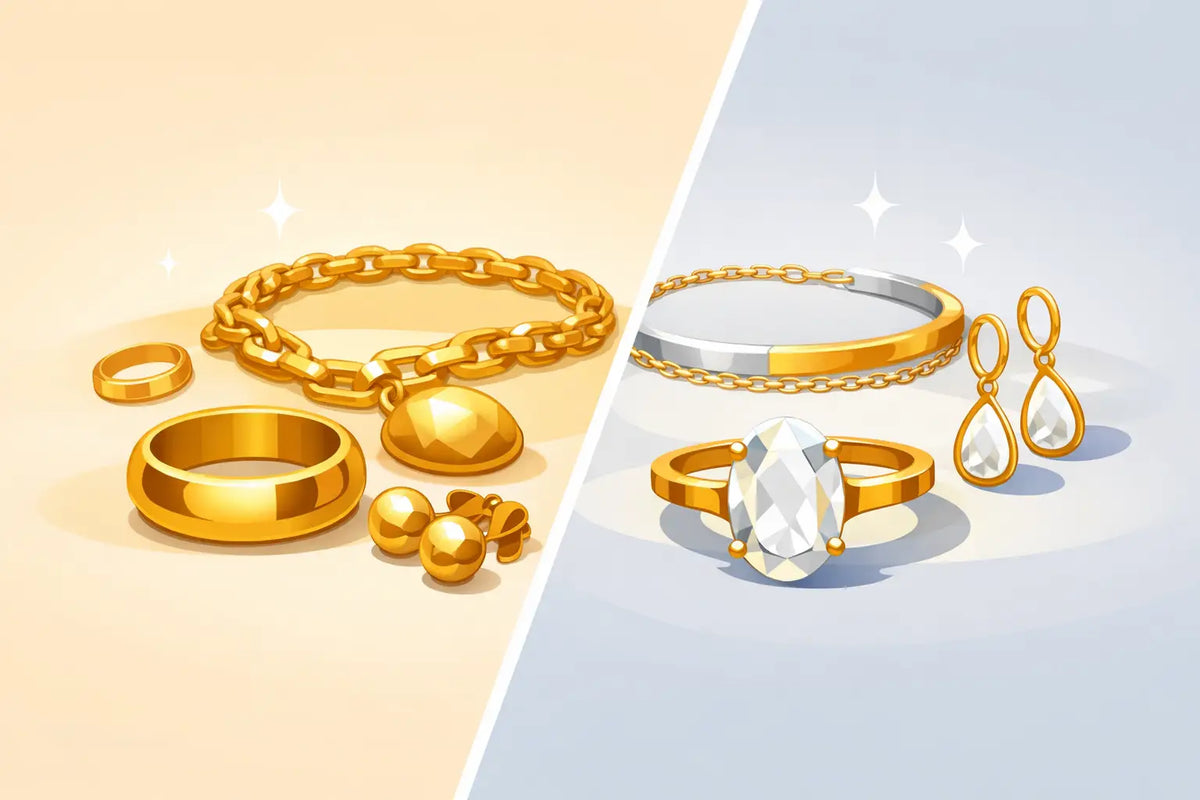
Metal is equally expressive. Yellow gold has a sun-warmed richness and an ease that grows more personal with wear. White gold and platinum offer a cooler, more restrained frame for diamonds and bright stones. Rose gold can feel softly nostalgic. The choice may be guided by the jewelry you already wear, but it can also be a deliberate departure from it.
From Approved Design to Handcrafted Piece
After the design and materials are confirmed, the piece moves into production. At Fourteen August, handcrafted work in New York City brings this next chapter close to the hands that shape it. The process may involve creating a wax model or digital prototype, casting the design in precious metal, refining its surface, setting stones, and polishing each detail.
Casting gives the piece its initial form, but it is not the finish line. The artistry lives in the subsequent work: filing and shaping the metal, perfecting edges, adjusting a setting, soldering components, and giving the surface its final polish or texture. These quiet decisions are what lend fine jewelry its sense of intention.
Stone setting requires particular care. Whether a gem is held by prongs, enclosed in a bezel, or framed by pavé, the setting must allow its beauty to show while keeping it secure. A well-made setting should feel natural rather than fussy. It should let the stone meet the light while giving you confidence to wear the piece.
Timelines vary with complexity, material availability, and the number of revisions. A simple custom charm may require less development than a ring designed around several inherited stones. If the piece is intended for a proposal, birthday, or anniversary, beginning the conversation well ahead of the date leaves room for thoughtful decisions rather than hurried ones.
The Final Fitting Is Part of the Story
Before a bespoke piece is complete, it is inspected for finish, security, comfort, and proportion. Rings are checked for fit. Clasps are tested. Stones are examined closely. This final stage may feel technical, but it serves a deeply personal purpose: the jewelry should be ready to live with you.
When you first put it on, notice how it rests. A custom piece should have presence without asking for constant attention. It may be a quiet signet ring that becomes part of your hand, a necklace worn close to the collarbone, or a reimagined family diamond that feels newly yours while holding generations within it.
Caring for an heirloom in the making
Fine jewelry is made to be enjoyed, not hidden away. Still, a little care preserves its beauty. Remove pieces for swimming, vigorous exercise, gardening, and tasks involving chemicals. Store jewelry separately when possible to prevent scratching, especially pieces with pearls or softer stones.
Periodic professional checks are wise for rings and pieces worn often, particularly those with prong-set stones. This is less about treating jewelry as fragile than about preserving the small acts of craftsmanship that keep a treasured piece secure.
A bespoke jewel is rarely finished in the emotional sense. It begins with a memory, but it continues to gather new ones: a hand held at dinner, a summer morning, a milestone quietly observed. Let the process be unhurried enough to make something that will feel not merely made for you, but meant for you.